What would it take for us to do our small part to mend the circle, to be part of the circle instead of its destroyer, to be compatible with the eagle and the fish, to be poets again?
This little fish, the alewife, is a key player in the cycles of life in the watershed. This is not the story of a big or showy fish but of a bait fish, one that eats at the bottom of the food chain. It’s claim to fame is that it escorts the iconic salmon, or would, if we on the east coast had any salmon left to be escorted. The thing is salmon are way more fussy about the state of their spawning grounds than alewives are. Alewives can travel in water with some pollution. These days that is a plus.
Alewives are a hardy fish and in fact are more important in the the big picture than the well loved salmon. They are a keystone species, one without which the ecosystem cannot hold. they also are prolific breeders. In their spawning grounds they can each produce 100,000 young. Like their cousins, the ocean herring, river herring are preferred food for all the other fish in the sea.
All we have to do is open up the rivers and streams so that they can get to their spawning grounds and they in turn will provide us with a healthier cleaner watershed. A healthy watershed is a resilient one which will serve us well in the turbulence of the years to come.
To thank: Jennifer Irving, Sebasticook Regional Land Trust, for being on this journey, Nate Gray , Maine Department of Marine Resources Sea-Run Fisheries and Habitat Scientist, for doing the work he does and for answering my endless supply of questions, Essex Hydro for their hospitality, The Alewife Harvesters of Maine for their work in completing the circle, Bill Olson for many things but most of all for going back to capture the YOY going over the Box Mill Dam in the right light, and of course, the fish for teaching us.
Thank you. Sandy Olson, watershednarratives@gmail.com
“Generations have trod, have trod, have trod;
And all is seared with trade; bleared, smeared with toil; And wears man’s smudge and shares man’s smell: the soil Is bare now, nor can foot feel, being shod.
And for all this, nature is never spent;
There lives the dearest freshness deep down things…’
(Gerard Manley Hopkins, “God's Grandeur,” 5–10)1
If you would like to support this project, please donate here:

If you would like to purchase the book: Everything Eats Alewives for $23.95 includes first class shipping: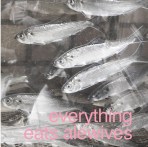

 Everything Eats Alewives